Deprecated: Creation of dynamic property WP_Term::$cat_ID is deprecated in /home/forge/contentcory.com/releases/80868779/public/blog/wp-includes/category.php on line 378
Deprecated: Creation of dynamic property WP_Term::$category_count is deprecated in /home/forge/contentcory.com/releases/80868779/public/blog/wp-includes/category.php on line 379
Deprecated: Creation of dynamic property WP_Term::$category_description is deprecated in /home/forge/contentcory.com/releases/80868779/public/blog/wp-includes/category.php on line 380
Deprecated: Creation of dynamic property WP_Term::$cat_name is deprecated in /home/forge/contentcory.com/releases/80868779/public/blog/wp-includes/category.php on line 381
Deprecated: Creation of dynamic property WP_Term::$category_nicename is deprecated in /home/forge/contentcory.com/releases/80868779/public/blog/wp-includes/category.php on line 382
Deprecated: Creation of dynamic property WP_Term::$category_parent is deprecated in /home/forge/contentcory.com/releases/80868779/public/blog/wp-includes/category.php on line 383
The post 5 Tell-Tale Signs That Indicate You Need a Content Audit appeared first on ContentCory.
]]>Deprecated: Return type of DeliciousBrains\WP_Offload_Media\Aws3\Aws\HandlerList::count() should either be compatible with Countable::count(): int, or the #[\ReturnTypeWillChange] attribute should be used to temporarily suppress the notice in /home/forge/contentcory.com/releases/80868779/public/blog/wp-content/plugins/amazon-s3-and-cloudfront/vendor/Aws3/Aws/HandlerList.php on line 272
Deprecated: Return type of DeliciousBrains\WP_Offload_Media\Aws3\Aws\Api\AbstractModel::offsetExists($offset) should either be compatible with ArrayAccess::offsetExists(mixed $offset): bool, or the #[\ReturnTypeWillChange] attribute should be used to temporarily suppress the notice in /home/forge/contentcory.com/releases/80868779/public/blog/wp-content/plugins/amazon-s3-and-cloudfront/vendor/Aws3/Aws/Api/AbstractModel.php on line 35
Deprecated: Return type of DeliciousBrains\WP_Offload_Media\Aws3\Aws\Api\AbstractModel::offsetGet($offset) should either be compatible with ArrayAccess::offsetGet(mixed $offset): mixed, or the #[\ReturnTypeWillChange] attribute should be used to temporarily suppress the notice in /home/forge/contentcory.com/releases/80868779/public/blog/wp-content/plugins/amazon-s3-and-cloudfront/vendor/Aws3/Aws/Api/AbstractModel.php on line 27
Deprecated: Return type of DeliciousBrains\WP_Offload_Media\Aws3\Aws\Api\AbstractModel::offsetSet($offset, $value) should either be compatible with ArrayAccess::offsetSet(mixed $offset, mixed $value): void, or the #[\ReturnTypeWillChange] attribute should be used to temporarily suppress the notice in /home/forge/contentcory.com/releases/80868779/public/blog/wp-content/plugins/amazon-s3-and-cloudfront/vendor/Aws3/Aws/Api/AbstractModel.php on line 31
Deprecated: Return type of DeliciousBrains\WP_Offload_Media\Aws3\Aws\Api\AbstractModel::offsetUnset($offset) should either be compatible with ArrayAccess::offsetUnset(mixed $offset): void, or the #[\ReturnTypeWillChange] attribute should be used to temporarily suppress the notice in /home/forge/contentcory.com/releases/80868779/public/blog/wp-content/plugins/amazon-s3-and-cloudfront/vendor/Aws3/Aws/Api/AbstractModel.php on line 39
Deprecated: Return type of DeliciousBrains\WP_Offload_Media\Aws3\Aws\Endpoint\Partition::offsetExists($offset) should either be compatible with ArrayAccess::offsetExists(mixed $offset): bool, or the #[\ReturnTypeWillChange] attribute should be used to temporarily suppress the notice in /home/forge/contentcory.com/releases/80868779/public/blog/wp-content/plugins/amazon-s3-and-cloudfront/vendor/Aws3/Aws/HasDataTrait.php on line 37
Deprecated: Return type of & DeliciousBrains\WP_Offload_Media\Aws3\Aws\Endpoint\Partition::offsetGet($offset) should either be compatible with ArrayAccess::offsetGet(mixed $offset): mixed, or the #[\ReturnTypeWillChange] attribute should be used to temporarily suppress the notice in /home/forge/contentcory.com/releases/80868779/public/blog/wp-content/plugins/amazon-s3-and-cloudfront/vendor/Aws3/Aws/HasDataTrait.php on line 25
Deprecated: Return type of DeliciousBrains\WP_Offload_Media\Aws3\Aws\Endpoint\Partition::offsetSet($offset, $value) should either be compatible with ArrayAccess::offsetSet(mixed $offset, mixed $value): void, or the #[\ReturnTypeWillChange] attribute should be used to temporarily suppress the notice in /home/forge/contentcory.com/releases/80868779/public/blog/wp-content/plugins/amazon-s3-and-cloudfront/vendor/Aws3/Aws/HasDataTrait.php on line 33
Deprecated: Return type of DeliciousBrains\WP_Offload_Media\Aws3\Aws\Endpoint\Partition::offsetUnset($offset) should either be compatible with ArrayAccess::offsetUnset(mixed $offset): void, or the #[\ReturnTypeWillChange] attribute should be used to temporarily suppress the notice in /home/forge/contentcory.com/releases/80868779/public/blog/wp-content/plugins/amazon-s3-and-cloudfront/vendor/Aws3/Aws/HasDataTrait.php on line 41
Deprecated: DeliciousBrains\WP_Offload_Media\Aws3\Aws\Credentials\Credentials implements the Serializable interface, which is deprecated. Implement __serialize() and __unserialize() instead (or in addition, if support for old PHP versions is necessary) in /home/forge/contentcory.com/releases/80868779/public/blog/wp-content/plugins/amazon-s3-and-cloudfront/vendor/Aws3/Aws/Credentials/Credentials.php on line 9
Deprecated: Use of "self" in callables is deprecated in /home/forge/contentcory.com/releases/80868779/public/blog/wp-content/plugins/amazon-s3-and-cloudfront/vendor/Aws3/Aws/Retry/ConfigurationProvider.php on line 79
Deprecated: Return type of DeliciousBrains\WP_Offload_Media\Aws3\Aws\LruArrayCache::count() should either be compatible with Countable::count(): int, or the #[\ReturnTypeWillChange] attribute should be used to temporarily suppress the notice in /home/forge/contentcory.com/releases/80868779/public/blog/wp-content/plugins/amazon-s3-and-cloudfront/vendor/Aws3/Aws/LruArrayCache.php on line 65
Deprecated: key(): Calling key() on an object is deprecated in /home/forge/contentcory.com/releases/80868779/public/blog/wp-content/plugins/wp-socializer/core/templates/share-icons.php on line 91
Deprecated: key(): Calling key() on an object is deprecated in /home/forge/contentcory.com/releases/80868779/public/blog/wp-content/plugins/wp-socializer/core/templates/share-icons.php on line 91
Deprecated: key(): Calling key() on an object is deprecated in /home/forge/contentcory.com/releases/80868779/public/blog/wp-content/plugins/wp-socializer/core/templates/share-icons.php on line 91
Deprecated: key(): Calling key() on an object is deprecated in /home/forge/contentcory.com/releases/80868779/public/blog/wp-content/plugins/wp-socializer/core/templates/share-icons.php on line 91
As a business owner or marketer, it is crucial to keep your website’s content up-to-date and relevant. However, it’s not always easy to tell when your content needs a revamp. A content audit can be a useful tool to assess the quality of your content and identify areas that need improvement. So when are content audits necessary? This can be a tricky question to answer, despite how simple it may seem. To help answer this question, here are five tell-tale signs that indicate you need a content audit.
1. Outdated Information
One of the most obvious signs that your website needs a content audit is outdated information. This can happen when your business changes its focus, products, or services, and the website hasn’t kept up. When a potential customer visits your website and sees outdated information, it can lead to confusion and mistrust.
Therefore, it’s essential to review your website’s content regularly and make updates as necessary. This will help keep your content fresh and accurate, making your website more trustworthy and appealing to potential customers.
2. Poor Engagement Metrics
Engagement metrics, such as bounce rate, time on site, and page views per session, can give you an idea of how your website is performing. If these metrics are low, it could indicate that your content is not engaging your audience.
To enhance the performance of your website, consider conducting a content audit. This process entails identifying pages that are underperforming and taking appropriate action. You may need to update the content, improve the design, or add more visuals to make the page more engaging.
3. Inconsistent Messaging
Inconsistent messaging can lead to confusion and mistrust among your audience. If your website’s messaging is inconsistent, it can be challenging to establish your brand’s identity and create a cohesive user experience.
Conducting a content audit can assist you in detecting discrepancies in your messaging and guaranteeing that all of your content is in line with your brand’s values and goals. This encompasses a review of your tone of voice, messaging, and imagery to confirm consistency across all aspects.
4. Poor Search Engine Rankings
If your website is not ranking well on search engines, it could be a sign that your content needs improvement. A content audit can help you identify the pages that are not ranking well and make necessary changes to improve their visibility. This can include optimizing your content for keywords, improving the headlines and subheadings, and adding more internal and external links. By making these changes, you can improve your search engine rankings and drive more traffic to your website.
5. Low Conversion Rates
Conversion rates are a critical metric for any business, as they indicate how many visitors are taking action on your website. If your conversion rates are low, it could indicate that your content is not compelling enough to persuade your audience to take action.
Performing a content audit can assist in recognizing pages that are underperforming and require improvements to increase their conversion rates. This may involve enhancing the call-to-action, providing more social proof, and enhancing the user experience overall.
Conclusion
All in all, a content audit can help you identify areas of improvement on your website and ensure that your content is up-to-date, engaging, and relevant. By regularly reviewing your content, you can improve your website’s performance, build trust with your audience, and drive more conversions.
Do you need help with your content calendar for social media? At ContentCory, we help simplify the content planning process and help you stay organised, so you can focus on creating engaging content that resonates with your audience. For more information on how we can help you, contact us today!
The post 5 Tell-Tale Signs That Indicate You Need a Content Audit appeared first on ContentCory.
]]>Deprecated: Creation of dynamic property WP_Term::$cat_ID is deprecated in /home/forge/contentcory.com/releases/80868779/public/blog/wp-includes/category.php on line 378
Deprecated: Creation of dynamic property WP_Term::$category_count is deprecated in /home/forge/contentcory.com/releases/80868779/public/blog/wp-includes/category.php on line 379
Deprecated: Creation of dynamic property WP_Term::$category_description is deprecated in /home/forge/contentcory.com/releases/80868779/public/blog/wp-includes/category.php on line 380
Deprecated: Creation of dynamic property WP_Term::$cat_name is deprecated in /home/forge/contentcory.com/releases/80868779/public/blog/wp-includes/category.php on line 381
Deprecated: Creation of dynamic property WP_Term::$category_nicename is deprecated in /home/forge/contentcory.com/releases/80868779/public/blog/wp-includes/category.php on line 382
Deprecated: Creation of dynamic property WP_Term::$category_parent is deprecated in /home/forge/contentcory.com/releases/80868779/public/blog/wp-includes/category.php on line 383
Deprecated: Creation of dynamic property WP_Term::$cat_ID is deprecated in /home/forge/contentcory.com/releases/80868779/public/blog/wp-includes/category.php on line 378
Deprecated: Creation of dynamic property WP_Term::$category_count is deprecated in /home/forge/contentcory.com/releases/80868779/public/blog/wp-includes/category.php on line 379
Deprecated: Creation of dynamic property WP_Term::$category_description is deprecated in /home/forge/contentcory.com/releases/80868779/public/blog/wp-includes/category.php on line 380
Deprecated: Creation of dynamic property WP_Term::$cat_name is deprecated in /home/forge/contentcory.com/releases/80868779/public/blog/wp-includes/category.php on line 381
Deprecated: Creation of dynamic property WP_Term::$category_nicename is deprecated in /home/forge/contentcory.com/releases/80868779/public/blog/wp-includes/category.php on line 382
Deprecated: Creation of dynamic property WP_Term::$category_parent is deprecated in /home/forge/contentcory.com/releases/80868779/public/blog/wp-includes/category.php on line 383
The post Unlocking the Use of an Editorial Calendar For Your Business appeared first on ContentCory.
]]>Deprecated: key(): Calling key() on an object is deprecated in /home/forge/contentcory.com/releases/80868779/public/blog/wp-content/plugins/wp-socializer/core/templates/share-icons.php on line 91
Deprecated: key(): Calling key() on an object is deprecated in /home/forge/contentcory.com/releases/80868779/public/blog/wp-content/plugins/wp-socializer/core/templates/share-icons.php on line 91
Deprecated: key(): Calling key() on an object is deprecated in /home/forge/contentcory.com/releases/80868779/public/blog/wp-content/plugins/wp-socializer/core/templates/share-icons.php on line 91
Deprecated: key(): Calling key() on an object is deprecated in /home/forge/contentcory.com/releases/80868779/public/blog/wp-content/plugins/wp-socializer/core/templates/share-icons.php on line 91
Businesses can no longer rely on traditional advertising methods to stay competitive. An effective content marketing strategy has become increasingly important for driving organic traffic, engaging customers, and building brand authority. An editorial calendar is one of the most valuable tools to ensure the win of your content marketing efforts.
In this blog post, we will see the benefits of using an editorial calendar, the critical components of an effective calendar, and how to implement one for your business.
What is an Editorial Calendar?
A social media editorial calendar is a planning document that outlines your content marketing strategy, listing upcoming content pieces, their publication dates, authors, and distribution channels.
By providing a visual overview of your content plan, an editorial calendar allows you to effectively manage your content creation and distribution process, consistently delivering high-quality content to your target audience.
Benefits of Using an Editorial Calendar
- Improved Organisation and Consistency: An editorial calendar helps you plan and organise your content strategy, reinforcing a consistent publishing schedule that caters to your audience’s needs. This consistency not only keeps your audience engaged but also increases brand loyalty.
- Enhanced Strategic Planning: A social media editorial calendar allows you to plan content around important dates, events, and product launches, ensuring that your content is relevant, timely, and aligned with your business goals.
- Better Collaboration and Communication: By providing a clear overview of your content plan, an editorial calendar enables your team to work together more efficiently, fostering better communication and collaboration among team members.
- Increased Efficiency: With an editorial calendar, you can better allocate resources, avoid duplicate efforts, and streamline your content production process.
- Better Content Quality and Variety: An editorial calendar helps you identify gaps in your content strategy and diversify your content mix by including different formats, like blog posts, videos, infographics, and podcasts.
Critical Components of an Effective Editorial Calendar
To create an effective editorial calendar, you need to include the following key components:
- Content Topics and Themes: Base your content topics and themes on your target audience’s interests, pain points, and preferences. Conduct keyword research, analyse your competitors’ content, and solicit feedback from your audience to identify relevant topics.
- Publication Dates: Schedule your content pieces in advance, taking into account significant events, holidays, or product launches. Allocate enough time for content creation, editing, and promotion.
- Content Formats: Include a variety of content formats, including blog posts, videos, infographics, and podcasts, to cater to different audience preferences and increase engagement.
- Authors and Contributors: Assign content pieces to specific team members, ensuring everyone knows their responsibilities and deadlines.
- Distribution Channels: Identify the most effective channels for distributing your content, such as social media platforms, email newsletters, and content syndication networks.
- Performance Metrics: Establish measurable goals for your content marketing efforts, such as traffic, engagement, conversions, and social shares, and track them regularly to evaluate the effectiveness of your content strategy.
Conclusion
A social media editorial calendar is indispensable for businesses looking to elevate their content marketing strategy. By providing a clear overview of your content plan, an editorial calendar helps you effectively manage your content creation and distribution process, consistently delivering high-quality content to your target audience. Invest the time and effort into developing a well-structured editorial calendar, and watch your content marketing efforts thrive.
ContentCory is an essential social media editorial calendar tool for businesses, influencers, and marketers seeking to optimise their presence by streamlining, creating and managing a well-organized social media calendar. With our user-friendly interface and visually appealing design, we allow users to efficiently plan, schedule, and track their social media content across multiple platforms with ease. To experience the benefits of our innovative tool and transform your social media strategy, contact us and get started on maximising your social media potential today.
The post Unlocking the Use of an Editorial Calendar For Your Business appeared first on ContentCory.
]]>Deprecated: Creation of dynamic property WP_Term::$cat_ID is deprecated in /home/forge/contentcory.com/releases/80868779/public/blog/wp-includes/category.php on line 378
Deprecated: Creation of dynamic property WP_Term::$category_count is deprecated in /home/forge/contentcory.com/releases/80868779/public/blog/wp-includes/category.php on line 379
Deprecated: Creation of dynamic property WP_Term::$category_description is deprecated in /home/forge/contentcory.com/releases/80868779/public/blog/wp-includes/category.php on line 380
Deprecated: Creation of dynamic property WP_Term::$cat_name is deprecated in /home/forge/contentcory.com/releases/80868779/public/blog/wp-includes/category.php on line 381
Deprecated: Creation of dynamic property WP_Term::$category_nicename is deprecated in /home/forge/contentcory.com/releases/80868779/public/blog/wp-includes/category.php on line 382
Deprecated: Creation of dynamic property WP_Term::$category_parent is deprecated in /home/forge/contentcory.com/releases/80868779/public/blog/wp-includes/category.php on line 383
The post Use These 3 Online Content Types in the Following Ways appeared first on ContentCory.
]]>Deprecated: key(): Calling key() on an object is deprecated in /home/forge/contentcory.com/releases/80868779/public/blog/wp-content/plugins/wp-socializer/core/templates/share-icons.php on line 91
Deprecated: key(): Calling key() on an object is deprecated in /home/forge/contentcory.com/releases/80868779/public/blog/wp-content/plugins/wp-socializer/core/templates/share-icons.php on line 91
Deprecated: key(): Calling key() on an object is deprecated in /home/forge/contentcory.com/releases/80868779/public/blog/wp-content/plugins/wp-socializer/core/templates/share-icons.php on line 91
Deprecated: key(): Calling key() on an object is deprecated in /home/forge/contentcory.com/releases/80868779/public/blog/wp-content/plugins/wp-socializer/core/templates/share-icons.php on line 91
As the world wide web changes, so does our consumption of its content. Online users now seek more engaging, interactive, and valuable content to keep them interested and informed. Therefore, businesses and creators must adopt new and innovative ways to present their content. In this article, we’ll talk about three types of things you must have in your calendar of content and how to effectively use them.
Videos
Videos engage your audience and deliver your message in an entertaining, informative manner. With the rise of video-sharing platforms such as YouTube and Vimeo, video content has become more accessible and popular.
To calendar content with videos, create engaging and informative collaterals that align with your brand message and target audience. As a brand or business, you can create product videos, explainer videos, or customer testimonials. You can also create behind-the-scenes videos to illustrate to audiences how your products or services are made or give them a glimpse of your company culture.
Moreover, you can use videos to educate your audience about your industry or niche. You can create how-to videos, tutorials, or webinars that provide your audience with valuable information. This content type can position you as an authority in your niche and help build trust with your audience.
Infographics
These visual representations of information are designed to make complex data or concepts easy to understand. Infographics are highly shareable, informative, and helpful in reaching a broader audience.
To use infographics effectively, you should create visually appealing infographics that provide your audience with valuable information. You can use infographics to represent data, statistics, or trends in your industry or niche. Infographics can also be used to explain complex concepts or processes, making them easier to understand.
Infographics can also promote your brand by showcasing your products or services. You can also use them to educate audiences about your industry or niche. Infographics can be part of your content calendar to build brand awareness and increase engagement.
Podcasts
Podcasts are an excellent way to engage your audience and build a loyal following. Podcasts are becoming increasingly popular, with over 100 million Americans listening to podcasts each month.
To use podcasts effectively, you should create high-quality podcasts that align with your brand message and target audience. You can create podcasts that provide your audience with valuable information, such as interviews with industry experts or thought leaders. You can also create podcasts such as storytelling or comedy to entertain your audience.
Moreover, you can use podcasts to promote your brand by creating podcasts that showcase your products or services. You can also use podcasts to educate your audience about your industry or niche. Podcasts can be part of your content marketing strategy to build brand awareness and increase engagement.
Organise Your Content Now
Online content has become more diverse and engaging, and businesses and content creators must adopt new and innovative ways to present their content. Videos, infographics, and podcasts are three online content types that can help you engage your audience and deliver your message effectively. Using these content types in the ways discussed above can build brand awareness, increase engagement, and build a loyal following.
ContentCory can assist you in creating a visually appealing and straightforward social media content calendar to keep your social media schedule organised. Register for an account now to calendar content!
The post Use These 3 Online Content Types in the Following Ways appeared first on ContentCory.
]]>Deprecated: Creation of dynamic property WP_Term::$cat_ID is deprecated in /home/forge/contentcory.com/releases/80868779/public/blog/wp-includes/category.php on line 378
Deprecated: Creation of dynamic property WP_Term::$category_count is deprecated in /home/forge/contentcory.com/releases/80868779/public/blog/wp-includes/category.php on line 379
Deprecated: Creation of dynamic property WP_Term::$category_description is deprecated in /home/forge/contentcory.com/releases/80868779/public/blog/wp-includes/category.php on line 380
Deprecated: Creation of dynamic property WP_Term::$cat_name is deprecated in /home/forge/contentcory.com/releases/80868779/public/blog/wp-includes/category.php on line 381
Deprecated: Creation of dynamic property WP_Term::$category_nicename is deprecated in /home/forge/contentcory.com/releases/80868779/public/blog/wp-includes/category.php on line 382
Deprecated: Creation of dynamic property WP_Term::$category_parent is deprecated in /home/forge/contentcory.com/releases/80868779/public/blog/wp-includes/category.php on line 383
Deprecated: Creation of dynamic property WP_Term::$cat_ID is deprecated in /home/forge/contentcory.com/releases/80868779/public/blog/wp-includes/category.php on line 378
Deprecated: Creation of dynamic property WP_Term::$category_count is deprecated in /home/forge/contentcory.com/releases/80868779/public/blog/wp-includes/category.php on line 379
Deprecated: Creation of dynamic property WP_Term::$category_description is deprecated in /home/forge/contentcory.com/releases/80868779/public/blog/wp-includes/category.php on line 380
Deprecated: Creation of dynamic property WP_Term::$cat_name is deprecated in /home/forge/contentcory.com/releases/80868779/public/blog/wp-includes/category.php on line 381
Deprecated: Creation of dynamic property WP_Term::$category_nicename is deprecated in /home/forge/contentcory.com/releases/80868779/public/blog/wp-includes/category.php on line 382
Deprecated: Creation of dynamic property WP_Term::$category_parent is deprecated in /home/forge/contentcory.com/releases/80868779/public/blog/wp-includes/category.php on line 383
The post 7 Mistakes to Avoid to Create a Winning Social Media Calendar appeared first on ContentCory.
]]>Deprecated: key(): Calling key() on an object is deprecated in /home/forge/contentcory.com/releases/80868779/public/blog/wp-content/plugins/wp-socializer/core/templates/share-icons.php on line 91
Deprecated: key(): Calling key() on an object is deprecated in /home/forge/contentcory.com/releases/80868779/public/blog/wp-content/plugins/wp-socializer/core/templates/share-icons.php on line 91
Deprecated: key(): Calling key() on an object is deprecated in /home/forge/contentcory.com/releases/80868779/public/blog/wp-content/plugins/wp-socializer/core/templates/share-icons.php on line 91
Deprecated: key(): Calling key() on an object is deprecated in /home/forge/contentcory.com/releases/80868779/public/blog/wp-content/plugins/wp-socializer/core/templates/share-icons.php on line 91
An organised social media calendar can be the backbone of a successful content strategy, helping businesses to effectively manage their digital presence, increase engagement, and drive results. However, creating an efficient social media calendar is not as simple as it may seem.
There are several mistakes that brands often make while planning their social media strategy, which can negatively impact their performance and result in wasted resources. This post will highlight some of the most common mistakes to avoid when creating a social media calendar, ensuring that your brand’s online presence remains consistent, engaging, and impactful.
1. Unclear Goals and Objectives
Before planning your social media content, you must define your goals and objectives. With clear goals, measuring success or making informed decisions about your content strategy is easier.
Are you trying to increase brand awareness, generate leads, or drive sales? Be specific about what you want to achieve and set measurable targets that align with your overall business objectives. Aligning your online content with your goals will help create a more focused and effective plan.
2. Failing to Create a Content Mix
Many businesses make the mistake of sharing the same type of content across all their social media platforms. A successful social media calendar should include a diverse mix of content, such as blog posts, videos, images, and curated content from other sources.
This not only keeps your audience engaged but also helps you test and learn what types of content resonate best with your target audience. Analyse your engagement metrics to see which content types perform well and adjust your calendar accordingly.
3. Ignoring Your Audience’s Preferences
Understanding your audience’s preferences is crucial when planning your social media calendar.
Conduct market research or analyse your social media analytics to identify the types of content, posting frequency, and optimal times your audience will most likely engage with. Neglecting your audience’s preferences can result in low engagement rates, making it difficult to achieve your social media goals.
4. Inconsistency in Posting Frequency
An erratic posting schedule can be detrimental to your brand’s online presence. If you post too infrequently, your audience may forget about your brand or lose interest, while over-saturating your followers’ feeds can result in them becoming annoyed and unfollowing your accounts.
Determine the optimal posting frequency for each platform and stick to it, ensuring that your content remains fresh and relevant without overwhelming your audience.
5. Not Planning for Holidays and Events
One of the main advantages of having a social media planner is the ability to plan ahead for holidays, seasonal events, and industry-specific occasions.
Failing to include these events in your calendar can result in missed opportunities to engage with your audience or capitalise on trending topics. Research relevant holidays and events in advance and create content that aligns with these occasions.
6. Neglecting to Track and Analyse Results
Monitoring your social media performance is essential to understand the effectiveness of your content strategy to make data-driven decisions. Many businesses create a social media calendar but fail to track and analyse their results regularly.
Set aside time each month to review your social media analytics and adjust your content plan based on the insights gained. This continuous improvement process will help you optimise your social media strategy and achieve better results over time.
7. Relying on Manual Processes
Manually scheduling and posting social media content can be time-consuming and prone to human error. Investing in a social media management tool can help streamline your content creation and scheduling process, saving you time and reducing the risk of mistakes.
Automation tools also offer valuable analytics and insights, making it easier to track and optimise your performance.
Conclusion
Creating an effective social media calendar involves careful planning, consideration of your audience’s preferences, and regular analysis of your results.
By avoiding these common mistakes, you can ensure that your online content remains consistent, engaging, and aligned with your brand’s goals and objectives. Your social media planner should be flexible and adaptable, allowing you to make data-driven decisions and continually refine your strategy for maximum impact.
ContentCory is a useful social media content planner software for managing and organising your social media content through a simple calendar layout. This tool enables you to plan, schedule, and monitor the effectiveness of your posts while also collaborating with your team members in a single location. Register now and begin your journey towards a thriving social media plan!
The post 7 Mistakes to Avoid to Create a Winning Social Media Calendar appeared first on ContentCory.
]]>Deprecated: Creation of dynamic property WP_Term::$cat_ID is deprecated in /home/forge/contentcory.com/releases/80868779/public/blog/wp-includes/category.php on line 378
Deprecated: Creation of dynamic property WP_Term::$category_count is deprecated in /home/forge/contentcory.com/releases/80868779/public/blog/wp-includes/category.php on line 379
Deprecated: Creation of dynamic property WP_Term::$category_description is deprecated in /home/forge/contentcory.com/releases/80868779/public/blog/wp-includes/category.php on line 380
Deprecated: Creation of dynamic property WP_Term::$cat_name is deprecated in /home/forge/contentcory.com/releases/80868779/public/blog/wp-includes/category.php on line 381
Deprecated: Creation of dynamic property WP_Term::$category_nicename is deprecated in /home/forge/contentcory.com/releases/80868779/public/blog/wp-includes/category.php on line 382
Deprecated: Creation of dynamic property WP_Term::$category_parent is deprecated in /home/forge/contentcory.com/releases/80868779/public/blog/wp-includes/category.php on line 383
The post Interactive Content—Types of Content to Boost Engagement appeared first on ContentCory.
]]>Deprecated: key(): Calling key() on an object is deprecated in /home/forge/contentcory.com/releases/80868779/public/blog/wp-content/plugins/wp-socializer/core/templates/share-icons.php on line 91
Deprecated: key(): Calling key() on an object is deprecated in /home/forge/contentcory.com/releases/80868779/public/blog/wp-content/plugins/wp-socializer/core/templates/share-icons.php on line 91
Deprecated: key(): Calling key() on an object is deprecated in /home/forge/contentcory.com/releases/80868779/public/blog/wp-content/plugins/wp-socializer/core/templates/share-icons.php on line 91
Deprecated: key(): Calling key() on an object is deprecated in /home/forge/contentcory.com/releases/80868779/public/blog/wp-content/plugins/wp-socializer/core/templates/share-icons.php on line 91
With the ever-growing competition in the online space, it is increasingly important for businesses to create content that stands out and engages their audience. Interactive content is one of the best ways to do this, as it encourages viewers to engage with the content and create an emotional connection actively.
This article looks at types of interactive content businesses can use to engage their audience and create a lasting impression. You can also find here where to get a content calendar for social media.
Content Categories That Will Increase Engagement
The best advice I can provide you is to pick a couple and begin experimenting with various interactive content development methods. Once you have enough information to choose which type of content your audience responds to the best, try a few different things and keep producing more of that type of content.
Q&As and Live-Streamed Video
Video is one of the most effective marketing strategies, and it entirely rules the internet.
Starting with live video content can be intimidating, especially if you’re an introvert like me. But with time, it gets more straightforward, and it’s worthwhile!
Live content enables you to interact with your audience, get to know them better, and assist them in becoming familiar with you and your business. This interaction and interpersonal component have a significant effect.
Surveys, Multiple-Choice Questions and Tests
People quickly interact with polls and multiple-choice questions, which are very simple to create.
They are also very captivating. Why? Considering that everyone likes to contribute their thoughts and opinions to the conversation!
On Facebook groups and Instagram Stories, you may use polls and questions, and if your YouTube channel has more than 500 subscribers, you can also create polls on the YouTube Community tab.
Exams are also quite well-liked. They’re a terrific way to create interest and catch people’s attention. They are also shareable, making them a great lead-generation tool. You can use online tools like Typeform or Paperform to construct your questionnaire.
Rating Widgets
Allowing your audience to rate your work is another fantastic way to keep them interested in what you have to say. In your blog articles or website pages, rating widgets are an option.
You can increase your credibility and create more exciting content by displaying the rating results on your website. Reviews and endorsements in user-generated content (UGC) are essential. Let your consumers or clients speak on your behalf!
Word-of-mouth marketing is one of the most successful tactics, and while it may happen naturally, there’s no reason you can’t encourage your audience to participate. Consider creating shareable content (like a meme) with a suggestion to send to a friend who can relate.
You can entice your current clients to tell others about you and your business, for example, by giving them a gift or a customised story template. You can create a content planner for social media to organise your content.
Giveaways
Giveaways are a terrific marketing approach since they capture people’s eyes and drive them to interact with your company. You can reward users who share content, tag others in posts, or even encourage your audience to attend live events.
As you’ll be able to reach more people who may not be familiar with your business, increasing the number of shares of your material can also develop into an excellent lead-generation technique.And the reward may be something you sell, a service you offer, or even a gift card, such as one from Amazon or Starbucks.
Carousels & Tabs
Another method for organising text-heavy content is to use tabs and carousels. They are letting users pick what they wish to watch. Also, it keeps the data structured and accessible.
Instead of scrolling through multiple pages, customers might click and find what they’re looking for. Also, it makes your knowledge more interactive, making it much more interesting than just reading lengthy texts.
Conclusion
In recent years, interactive content has become an increasingly important part of digital marketing. It is an effective way to engage and retain audiences, as well as to increase brand awareness. Interactive content can be a powerful tool to boost engagement and build customer relationships. It can be used to create a more personalised and engaging user experience, as well as to drive sales and increase brand loyalty. Lastly, use a content planner to help organise your content!
At ContentCory, you can create a beautiful, simple social media content calendar. Get your social media calendar organised with our content calendar for social media today!
The post Interactive Content—Types of Content to Boost Engagement appeared first on ContentCory.
]]>Deprecated: Creation of dynamic property WP_Term::$cat_ID is deprecated in /home/forge/contentcory.com/releases/80868779/public/blog/wp-includes/category.php on line 378
Deprecated: Creation of dynamic property WP_Term::$category_count is deprecated in /home/forge/contentcory.com/releases/80868779/public/blog/wp-includes/category.php on line 379
Deprecated: Creation of dynamic property WP_Term::$category_description is deprecated in /home/forge/contentcory.com/releases/80868779/public/blog/wp-includes/category.php on line 380
Deprecated: Creation of dynamic property WP_Term::$cat_name is deprecated in /home/forge/contentcory.com/releases/80868779/public/blog/wp-includes/category.php on line 381
Deprecated: Creation of dynamic property WP_Term::$category_nicename is deprecated in /home/forge/contentcory.com/releases/80868779/public/blog/wp-includes/category.php on line 382
Deprecated: Creation of dynamic property WP_Term::$category_parent is deprecated in /home/forge/contentcory.com/releases/80868779/public/blog/wp-includes/category.php on line 383
Deprecated: Creation of dynamic property WP_Term::$cat_ID is deprecated in /home/forge/contentcory.com/releases/80868779/public/blog/wp-includes/category.php on line 378
Deprecated: Creation of dynamic property WP_Term::$category_count is deprecated in /home/forge/contentcory.com/releases/80868779/public/blog/wp-includes/category.php on line 379
Deprecated: Creation of dynamic property WP_Term::$category_description is deprecated in /home/forge/contentcory.com/releases/80868779/public/blog/wp-includes/category.php on line 380
Deprecated: Creation of dynamic property WP_Term::$cat_name is deprecated in /home/forge/contentcory.com/releases/80868779/public/blog/wp-includes/category.php on line 381
Deprecated: Creation of dynamic property WP_Term::$category_nicename is deprecated in /home/forge/contentcory.com/releases/80868779/public/blog/wp-includes/category.php on line 382
Deprecated: Creation of dynamic property WP_Term::$category_parent is deprecated in /home/forge/contentcory.com/releases/80868779/public/blog/wp-includes/category.php on line 383
The post Understanding How Content Planning and Strategy Differ appeared first on ContentCory.
]]>Deprecated: Creation of dynamic property WP_Block::$attributes is deprecated in /home/forge/contentcory.com/releases/80868779/public/blog/wp-includes/class-wp-block.php on line 179
Deprecated: key(): Calling key() on an object is deprecated in /home/forge/contentcory.com/releases/80868779/public/blog/wp-content/plugins/wp-socializer/core/templates/share-icons.php on line 91
Deprecated: key(): Calling key() on an object is deprecated in /home/forge/contentcory.com/releases/80868779/public/blog/wp-content/plugins/wp-socializer/core/templates/share-icons.php on line 91
Deprecated: key(): Calling key() on an object is deprecated in /home/forge/contentcory.com/releases/80868779/public/blog/wp-content/plugins/wp-socializer/core/templates/share-icons.php on line 91
Deprecated: key(): Calling key() on an object is deprecated in /home/forge/contentcory.com/releases/80868779/public/blog/wp-content/plugins/wp-socializer/core/templates/share-icons.php on line 91
Whether you have a new idea or have already established a name in the industry, content is essential in building a brand in today’s digital age. It can help increase brand awareness, establish authority, and drive organic website traffic.
Some crucial brand-building concepts you should know are content planning and content strategy. Unfortunately, some usually interchange these terms because both are crucial in creating compelling content. While content strategy is essential for brand awareness, you need a sustainable plan to execute it.
If you want to create and implement a successful marketing campaign, this article will differentiate content strategy and content planning. We’ll also discuss the crucial elements and how this process can help.
What Is Content Strategy?
A content strategy guides marketers in developing content to meet the organisation’s objectives. It includes research, goals, messaging, and themes and focuses on the buyer’s needs, motivations, and challenges.
What Is Content Planning?
On the other hand, content planning is the structure and processes marketers use to determine what content initiatives to execute and when to implement them. It can help ensure content is unique and relevant, optimise engagement for each piece, and support teams in accomplishing their tasks on time. Effective content planning includes a content strategy, a content plan, and an understanding of the available team and resources.
What Are the Things Involved in Content Planning?
When content planning, you must consider how topics align with your strategy and determine if it’s helpful. You should also ask yourself if the type of content will be relevant to your target audience. Moreover, know if your industry has seasonal or promotional periods, identify content opportunities from competitive research, and ask if you have a content repurposing plan.
What Are the Elements of Content Planning?
This process involves documenting production and content workflows, creating a content calendar, onboarding, and training team members, and promoting and distributing content. It also means fostering transparency and communication.
7 Ways Content Planning Can Help
After differentiating content planning from content strategy and identifying the crucial elements, this section will explain how this process can help address content marketing issues.
1. Identify Buyer Pain Points
Buyers constantly search the internet to find solutions to their problems. You can be their answered prayer by having a content plan. It means that after researching and creating different personas, you should know how to use this knowledge effectively.
2. Create and Adhere to a Schedule
You can ensure everyone on the team is on the same page by having an accessible editorial calendar. It will also help minimise conflicts that usually arise when managing content.
3. Keep Content Powerful and Unique
Collaborating helps to utilise everyone’s ideas and develop the best solutions. Referencing your data allows you to see what has the most impact on your target audience.
4. Maximise Resources
A clearly outlined and reusable process can help marketers save resources and make things more organised and easier to prioritise.
5. Distance from Your Competition
You set yourself apart from your competition when you become more organised and productive than others. While content planning has its fair share of difficulties, having a good focus and the right resources can help you conquer your competitors.
6. Measure Effectiveness
Tracking the results of a content marketing strategy, interpreting data, and making changes based on the findings are crucial in planning content.
7. Maintain Engagement
Teams usually finish and forget their content, leading to poor reach and engagement. On the other hand, improved content planning can ensure every published item gets the needed attention.
Conclusion
All brands deserve increased awareness and visibility because they’re crucial for success. You can create and implement a successful marketing campaign by understanding the differences between content planning and content strategy and using the right tools.
If your marketing team struggles with content planning, check out ContentCory! We help businesses organise their content by letting them make a simple but beautiful content calendar. Create yours now!
The post Understanding How Content Planning and Strategy Differ appeared first on ContentCory.
]]>Deprecated: Creation of dynamic property WP_Term::$cat_ID is deprecated in /home/forge/contentcory.com/releases/80868779/public/blog/wp-includes/category.php on line 378
Deprecated: Creation of dynamic property WP_Term::$category_count is deprecated in /home/forge/contentcory.com/releases/80868779/public/blog/wp-includes/category.php on line 379
Deprecated: Creation of dynamic property WP_Term::$category_description is deprecated in /home/forge/contentcory.com/releases/80868779/public/blog/wp-includes/category.php on line 380
Deprecated: Creation of dynamic property WP_Term::$cat_name is deprecated in /home/forge/contentcory.com/releases/80868779/public/blog/wp-includes/category.php on line 381
Deprecated: Creation of dynamic property WP_Term::$category_nicename is deprecated in /home/forge/contentcory.com/releases/80868779/public/blog/wp-includes/category.php on line 382
Deprecated: Creation of dynamic property WP_Term::$category_parent is deprecated in /home/forge/contentcory.com/releases/80868779/public/blog/wp-includes/category.php on line 383
Deprecated: Creation of dynamic property WP_Term::$cat_ID is deprecated in /home/forge/contentcory.com/releases/80868779/public/blog/wp-includes/category.php on line 378
Deprecated: Creation of dynamic property WP_Term::$category_count is deprecated in /home/forge/contentcory.com/releases/80868779/public/blog/wp-includes/category.php on line 379
Deprecated: Creation of dynamic property WP_Term::$category_description is deprecated in /home/forge/contentcory.com/releases/80868779/public/blog/wp-includes/category.php on line 380
Deprecated: Creation of dynamic property WP_Term::$cat_name is deprecated in /home/forge/contentcory.com/releases/80868779/public/blog/wp-includes/category.php on line 381
Deprecated: Creation of dynamic property WP_Term::$category_nicename is deprecated in /home/forge/contentcory.com/releases/80868779/public/blog/wp-includes/category.php on line 382
Deprecated: Creation of dynamic property WP_Term::$category_parent is deprecated in /home/forge/contentcory.com/releases/80868779/public/blog/wp-includes/category.php on line 383
The post 5 Steps for Creating an Effective Social Media Content Strategy appeared first on ContentCory.
]]>Deprecated: Creation of dynamic property WP_Block::$attributes is deprecated in /home/forge/contentcory.com/releases/80868779/public/blog/wp-includes/class-wp-block.php on line 179
Deprecated: key(): Calling key() on an object is deprecated in /home/forge/contentcory.com/releases/80868779/public/blog/wp-content/plugins/wp-socializer/core/templates/share-icons.php on line 91
Deprecated: key(): Calling key() on an object is deprecated in /home/forge/contentcory.com/releases/80868779/public/blog/wp-content/plugins/wp-socializer/core/templates/share-icons.php on line 91
Deprecated: key(): Calling key() on an object is deprecated in /home/forge/contentcory.com/releases/80868779/public/blog/wp-content/plugins/wp-socializer/core/templates/share-icons.php on line 91
Deprecated: key(): Calling key() on an object is deprecated in /home/forge/contentcory.com/releases/80868779/public/blog/wp-content/plugins/wp-socializer/core/templates/share-icons.php on line 91
Creating a social media content calendar is essential to building a successful strategy. It helps businesses plan and organise content, ensuring they post consistently and engage their audience. However, creating a content calendar can be daunting, especially if you’re unsure where to start. This article will outline strategies for creating a social media content calendar to help you stay organised, save time, and drive results.
What is a Content Calendar?
A content calendar is a tool that helps businesses plan and organise their social media posts. It is a schedule that outlines the type of content to be posted, the date and time of posting, and the platform on which it will be posted. A content calendar can be as simple or complex as the business requires.
5 Steps to Create an Effective Social Media Content Calendar
Developing a social media content calendar is crucial in building a successful strategy, but knowing where to start can be challenging. With so many platforms to consider and content types to create, it’s essential to have an effective strategy. Here are five strategies to help you create a social media content calendar that will engage your audience and support your business goals:
Be Clear about What You Want to Accomplish
Before creating a social media content calendar, it’s important to be clear about what you want to accomplish with your social media strategy. This means identifying your target audience and understanding their needs and preferences. It also means setting specific goals for what you want to achieve with your social media content, whether that’s increasing brand awareness, driving website traffic, or generating leads. Once you clearly understand your audience and goals, you can create a content strategy that supports those objectives.
Create a Schedule
Creating a social media content calendar requires a schedule that outlines when and where your content will be posted. This schedule should be realistic and achievable, considering the time and resources required to create high-quality content. Start by planning a few weeks or months, depending on how frequently you plan to post. Consider using a content calendar tool to help you create and manage your schedule.
Stick to Your Schedule Even If You’re Feeling Overwhelmed at First
Developing a social media content calendar can be overwhelming, especially if you’re new to social media marketing. However, sticking to your schedule is important even if you’re initially feeling overwhelmed. Consistency is key to building an engaged audience, and sticking to a schedule is the best way to ensure you post content regularly. If you’re feeling overwhelmed, consider delegating tasks to team members or outsourcing some of your social media content creation.
Document Everything So There’s No Confusion
Creating a social media content calendar involves multiple steps, from planning your content themes and types to scheduling your posts. It’s important to document everything so that there’s no confusion among team members. This means creating a clear and detailed content calendar that outlines what content will be posted, when it will be posted, and on which platforms. It also means documenting the process for creating and approving content so that everyone on the team is on the same page.
Work with Your Team to Create Content
Creating high-quality social media content is a team effort, and working collaboratively with your team members is important to create content that resonates with your audience. This means involving team members in the planning and ideation process and delegating tasks to team members with specific skills or expertise. By working together to create content, you can ensure that your social media content is engaging, informative, and aligned with your business goals.
Conclusion
Developing a social media content calendar is crucial for any business looking to succeed on social media. Consistency is key to building a loyal following, and a well-planned and executed social media content calendar can help you achieve that consistency. So, take the time to plan and create a social media content calendar that works for your business, and watch as your social media presence grows and thrives.
Get ahead of the game with a social media content calendar! Start planning your content now to save time and improve engagement. Sign up today at ContentCory and take the first step towards a successful social media strategy!
The post 5 Steps for Creating an Effective Social Media Content Strategy appeared first on ContentCory.
]]>Deprecated: Creation of dynamic property WP_Term::$cat_ID is deprecated in /home/forge/contentcory.com/releases/80868779/public/blog/wp-includes/category.php on line 378
Deprecated: Creation of dynamic property WP_Term::$category_count is deprecated in /home/forge/contentcory.com/releases/80868779/public/blog/wp-includes/category.php on line 379
Deprecated: Creation of dynamic property WP_Term::$category_description is deprecated in /home/forge/contentcory.com/releases/80868779/public/blog/wp-includes/category.php on line 380
Deprecated: Creation of dynamic property WP_Term::$cat_name is deprecated in /home/forge/contentcory.com/releases/80868779/public/blog/wp-includes/category.php on line 381
Deprecated: Creation of dynamic property WP_Term::$category_nicename is deprecated in /home/forge/contentcory.com/releases/80868779/public/blog/wp-includes/category.php on line 382
Deprecated: Creation of dynamic property WP_Term::$category_parent is deprecated in /home/forge/contentcory.com/releases/80868779/public/blog/wp-includes/category.php on line 383
The post A Comprehensive Guide to Content Creation Streamlining appeared first on ContentCory.
]]>Deprecated: Creation of dynamic property WP_Block::$attributes is deprecated in /home/forge/contentcory.com/releases/80868779/public/blog/wp-includes/class-wp-block.php on line 179
Deprecated: Creation of dynamic property WP_Block::$attributes is deprecated in /home/forge/contentcory.com/releases/80868779/public/blog/wp-includes/class-wp-block.php on line 179
Deprecated: Creation of dynamic property WP_Block::$attributes is deprecated in /home/forge/contentcory.com/releases/80868779/public/blog/wp-includes/class-wp-block.php on line 179
Deprecated: Creation of dynamic property WP_Block::$attributes is deprecated in /home/forge/contentcory.com/releases/80868779/public/blog/wp-includes/class-wp-block.php on line 179
Deprecated: Creation of dynamic property WP_Block::$attributes is deprecated in /home/forge/contentcory.com/releases/80868779/public/blog/wp-includes/class-wp-block.php on line 179
Deprecated: key(): Calling key() on an object is deprecated in /home/forge/contentcory.com/releases/80868779/public/blog/wp-content/plugins/wp-socializer/core/templates/share-icons.php on line 91
Deprecated: key(): Calling key() on an object is deprecated in /home/forge/contentcory.com/releases/80868779/public/blog/wp-content/plugins/wp-socializer/core/templates/share-icons.php on line 91
Deprecated: key(): Calling key() on an object is deprecated in /home/forge/contentcory.com/releases/80868779/public/blog/wp-content/plugins/wp-socializer/core/templates/share-icons.php on line 91
Deprecated: key(): Calling key() on an object is deprecated in /home/forge/contentcory.com/releases/80868779/public/blog/wp-content/plugins/wp-socializer/core/templates/share-icons.php on line 91
Content creation streamlining is a process that helps to make content creation more efficient, effective, and organised. This process can be used by content creators of all types, from writers to bloggers to social media influencers. Here is a comprehensive guide to content creation streamlining.
Why Should You Streamline Your Process?
The main benefit of streamlining your content creation process is that it can help you save time and energy. Streamlining your workflow can free up more time to focus on other aspects of your business. Additionally, streamlining your process can help you create content more efficiently, ensure consistency in your output, and reduce errors.
1. Develop an Efficient Workflow

Creating content can be time-consuming, but developing an effective workflow can help you save time and energy. Establishing a solid process ensures that your content is always fresh, relevant, and engaging. Setting up templates, creating a content calendar, and scheduling out content creation will enable you to quickly and easily produce content without having to start from scratch every time. This can help you save time, energy, and resources, allowing you to create quality content more efficiently.
2. Create a Content Library

The second step is to build up a collection of materials that you can use for your projects. This includes your existing content, any resources you plan to use, and anything else you think might be helpful. It should be easy to search through and well-organised to find what you need quickly and easily. Having this library in place will allow you to access the content you need without spending much time searching for it.
3. Optimise Your Content

Once you have set up a system of organisation and a content repository, you can start refining your content. Refining your material can include ensuring it is packed with relevant keywords, incorporating visuals such as photographs or videos to engage your audience, and customising the format of your content to suit the platforms you are utilising. These measures can help you maximise the impact of your content.
4. Measure the Success of Your Content

After creating and releasing your content, it is important to keep track of how it is doing. This means looking at the data from all of the places your content is being shown, such as social media and your website. You should also track how many people are engaging with the content and if there are any conversions (people taking action after viewing the content). This information will help you understand what content works best, and you can use it to make changes to your content strategy.
The Bottom Line
Content creation streamlining is an important process for all content creators. It can help you save time and energy while still producing high-quality, engaging content. By establishing a workflow, creating a content library, optimising your content, and measuring the success of your content, you will be able to streamline your content creation process.
ContentCory is a tool that helps you manage and organise your social media content in an easy-to-view calendar format. You can plan and schedule your posts, track the performance of your posts, and collaborate with your team members in one place. It allows you to manage your social media content calendar in one place and ensure you stay on track with your goals.
The post A Comprehensive Guide to Content Creation Streamlining appeared first on ContentCory.
]]>Deprecated: Creation of dynamic property WP_Term::$cat_ID is deprecated in /home/forge/contentcory.com/releases/80868779/public/blog/wp-includes/category.php on line 378
Deprecated: Creation of dynamic property WP_Term::$category_count is deprecated in /home/forge/contentcory.com/releases/80868779/public/blog/wp-includes/category.php on line 379
Deprecated: Creation of dynamic property WP_Term::$category_description is deprecated in /home/forge/contentcory.com/releases/80868779/public/blog/wp-includes/category.php on line 380
Deprecated: Creation of dynamic property WP_Term::$cat_name is deprecated in /home/forge/contentcory.com/releases/80868779/public/blog/wp-includes/category.php on line 381
Deprecated: Creation of dynamic property WP_Term::$category_nicename is deprecated in /home/forge/contentcory.com/releases/80868779/public/blog/wp-includes/category.php on line 382
Deprecated: Creation of dynamic property WP_Term::$category_parent is deprecated in /home/forge/contentcory.com/releases/80868779/public/blog/wp-includes/category.php on line 383
The post A Strategy for Sticking to Your Ideal Social Media Posting Schedule appeared first on ContentCory.
]]>Deprecated: key(): Calling key() on an object is deprecated in /home/forge/contentcory.com/releases/80868779/public/blog/wp-content/plugins/wp-socializer/core/templates/share-icons.php on line 91
Deprecated: key(): Calling key() on an object is deprecated in /home/forge/contentcory.com/releases/80868779/public/blog/wp-content/plugins/wp-socializer/core/templates/share-icons.php on line 91
Deprecated: key(): Calling key() on an object is deprecated in /home/forge/contentcory.com/releases/80868779/public/blog/wp-content/plugins/wp-socializer/core/templates/share-icons.php on line 91
Deprecated: key(): Calling key() on an object is deprecated in /home/forge/contentcory.com/releases/80868779/public/blog/wp-content/plugins/wp-socializer/core/templates/share-icons.php on line 91
If you’re a social media marketer, you know there’s no shortage of opportunities to post content online. But with so much competition, it’s essential to have a plan for what and when to post in order to ensure that your content stands out from the rest.
After all, having a consistent presence on social media is essential for any business looking to engage its audience and build relationships. However, with so many different platforms and content types, it can be difficult to know how often and when to post. The key to success is creating and sticking to an ideal social media posting schedule.
By planning ahead, you can ensure that your content reaches the right people at the right time and maximize its impact. Here are some tips to help you create and implement a strategy for sticking to your ideal social media posting schedule.
Tips to Help You Follow Through Your Social Media Posting Schedule
Tip #1: Redirect Your Focus by Setting a Content Theme for the Month
Setting a content theme for the month can be a great way to stay on track with your social media posting schedule. It helps to keep your focus on one specific area, making it easier to create relevant and engaging content.
When creating a content theme, start by brainstorming a few broad topics that relate to your business. Think about what matters to your customers and what they’d be interested in learning more about. You can also look at what’s trending in your industry or what’s happening in the world that might be relevant to your business.
Once you’ve come up with a few potential themes, narrow them down to one that resonates with you and your business. This will be the topic you center all your posts around for the month. Make sure to keep the theme broad enough so that you can come up with a variety of content ideas, but specific enough so that you don’t get sidetracked.
Now that you’ve chosen your content theme, you can begin to plan out your posts for the month. Think about what types of content you can create that will fit within your theme. This could include photos, videos, quotes, articles, and more. Once you’ve come up with a few ideas, start drafting your posts and scheduling them accordingly.
Tip #2: Identify Your Ratios
When creating a posting schedule, it is important to consider the types of content you will be sharing and the ratios of the content. For example, you may want to use the 4-1-1 rule, which suggests sharing 4 educational and entertaining posts, 1 soft-sell post, and 1 hard-sell post.
Other popular ratios include the 5-3-2 rule, which suggests that you should share 5 posts from other brands, 3 posts of your own, and 2 personal non-work-related posts, and the Rule of Thirds, which suggests that you should share ⅓ of posts about your brand and content, ⅓ content from others and new ideas on the market, and ⅓ posts on personal interactions with customers for brand awareness.
Once you have identified the types of content and ratios for your social media posting schedule, it’s vital to plan how often you will post. The frequency of your posts should depend on the platform you are using. For example, Twitter is a fast-paced platform, so it is best to post multiple times a day, while Facebook is more relaxed, so you can post multiple times a week.
Tip #3: Play Around with Recycling Content and Include Holidays, Trends, and Current Events to Fill in the Gaps
Don’t feel like you have to come up with completely new content every time you post. You can always recycle content you’ve already created and give it a new spin, just make sure to update it with new information or visuals to keep it fresh.
In addition, to keep your content interesting and relevant, don’t forget to include holidays, trends, and current events in your posts. This will help you stay top of mind with your followers and make sure your content is always timely.
The Bottom Line: Making the Most of Your Social Media Content Calendar
Creating a social media content calendar is an essential part of any digital marketing strategy. It allows you to plan and schedule posts in advance, ensuring that your content is consistent and engaging. It also helps you save time and energy by making sure you’re not scrambling to come up with ideas at the last minute.
But while having a content calendar is important, it’s not enough to just create one and forget about it. To make the most of your social media content calendar, you need to ensure it’s organized, well-thought-out, and up-to-date. With an organized content calendar, you can save time and energy and maximize your efforts.
ContentCory is the perfect solution for anyone looking to organize and plan their social media content calendar. It’s easy to use, and it’s packed with features that make it a great choice for businesses and individuals alike. Create your calendar today and take control of your social media content!
The post A Strategy for Sticking to Your Ideal Social Media Posting Schedule appeared first on ContentCory.
]]>Deprecated: Creation of dynamic property WP_Term::$cat_ID is deprecated in /home/forge/contentcory.com/releases/80868779/public/blog/wp-includes/category.php on line 378
Deprecated: Creation of dynamic property WP_Term::$category_count is deprecated in /home/forge/contentcory.com/releases/80868779/public/blog/wp-includes/category.php on line 379
Deprecated: Creation of dynamic property WP_Term::$category_description is deprecated in /home/forge/contentcory.com/releases/80868779/public/blog/wp-includes/category.php on line 380
Deprecated: Creation of dynamic property WP_Term::$cat_name is deprecated in /home/forge/contentcory.com/releases/80868779/public/blog/wp-includes/category.php on line 381
Deprecated: Creation of dynamic property WP_Term::$category_nicename is deprecated in /home/forge/contentcory.com/releases/80868779/public/blog/wp-includes/category.php on line 382
Deprecated: Creation of dynamic property WP_Term::$category_parent is deprecated in /home/forge/contentcory.com/releases/80868779/public/blog/wp-includes/category.php on line 383
The post Good Business Social Media Practices VS the Not-So-Good—Our 2022 Guide appeared first on ContentCory.
]]>Deprecated: Creation of dynamic property WP_Block::$attributes is deprecated in /home/forge/contentcory.com/releases/80868779/public/blog/wp-includes/class-wp-block.php on line 179
Deprecated: Creation of dynamic property WP_Block::$attributes is deprecated in /home/forge/contentcory.com/releases/80868779/public/blog/wp-includes/class-wp-block.php on line 179
Deprecated: Creation of dynamic property WP_Block::$attributes is deprecated in /home/forge/contentcory.com/releases/80868779/public/blog/wp-includes/class-wp-block.php on line 179
Deprecated: Creation of dynamic property WP_Block::$attributes is deprecated in /home/forge/contentcory.com/releases/80868779/public/blog/wp-includes/class-wp-block.php on line 179
Deprecated: Creation of dynamic property WP_Block::$attributes is deprecated in /home/forge/contentcory.com/releases/80868779/public/blog/wp-includes/class-wp-block.php on line 179
Deprecated: key(): Calling key() on an object is deprecated in /home/forge/contentcory.com/releases/80868779/public/blog/wp-content/plugins/wp-socializer/core/templates/share-icons.php on line 91
Deprecated: key(): Calling key() on an object is deprecated in /home/forge/contentcory.com/releases/80868779/public/blog/wp-content/plugins/wp-socializer/core/templates/share-icons.php on line 91
Deprecated: key(): Calling key() on an object is deprecated in /home/forge/contentcory.com/releases/80868779/public/blog/wp-content/plugins/wp-socializer/core/templates/share-icons.php on line 91
Deprecated: key(): Calling key() on an object is deprecated in /home/forge/contentcory.com/releases/80868779/public/blog/wp-content/plugins/wp-socializer/core/templates/share-icons.php on line 91
We’re nearly halfway through the year, but that doesn’t mean it’s too late to learn about good business social media practices for 2022!
In a time where Internet use is the norm, the web is a landscape with fierce competition and unforgiving clientele. You need a strategy that helps you say “no” to efforts that don’t further your goals.
That’s why we’ve put together this crucial guide on good business social media practices versus the not-so-good.
Whether you’re familiar with the unwritten rules of social media marketing or totally new and in a bit over your head, this guide has you covered!
- Good Practice: Conjure Up Emotional Connections
- Bad Practice: Coming Off As Arrogant or Unrelatable
- Good Practice: Personally Connect With Your Viewers
- Bad Practice: Promoting Your Business Too Directly
- Good Practice: Offer Helpful Content
- Bad Practice: Publishing Inconsistently/ At The Wrong Times
- Good Practice: Using a Social Media Content Calendar
Good Practice: Conjure Up Emotional Connections
Most business sales that come as a result of social media happen because of emotional marketing. That is, a business has successfully created an emotional connection between the viewer and itself. Take REMAX New Dimension’s post as an example:

In this post, REMAX conjures up an emotional connection with the reader by mentioning Thanksgiving, friends, and family. It also subtly promotes features about the house they’re trying to sell! This is a great use of emotional marketing.
Bad Practice: Coming Off As Arrogant or Unrelatable
On the flip side of Good Practice #1 comes Bad Practice #1: being too arrogant or unrelatable. If you’re a business that caters to a specific demographic of people and you’re consistently making posts that demographic would know nothing about, you’re going to alienate your entire customer base.
For example, a personal tax accountant that provides services to low-middle class citizens would have no business making a post that details changes in the top 3 tax brackets. Instead, they might consider posting tips about how to get the largest tax refund possible.
Good Practice: Personally Connect With Your Viewers
Customers love to see the real person behind all these business social media accounts, so let them! Even the most successful businesses are constantly finding ways to start relevant and put personality in their posts.
Take Wendy’s, for example.
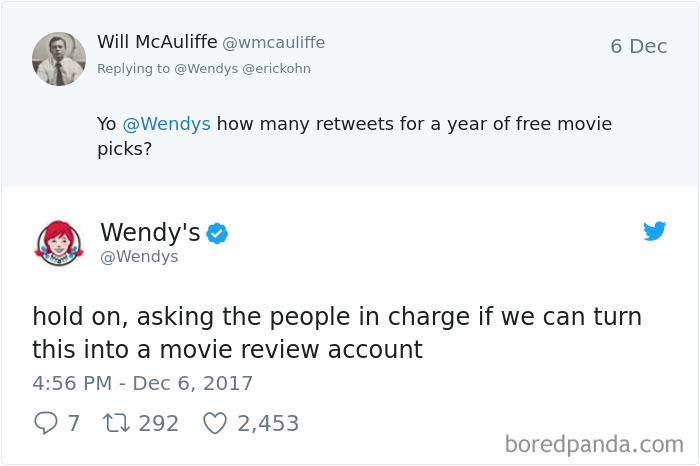
In this Tweet, the person running Wendy’s Twitter mentions “people in charge” and breaks the fourth wall. They also add in a touch of humor and specifically break typical capitalization conventions to increase relevancy among younger viewers.
Bad Practice: Promoting Your Business Too Directly
Gone are the days of treating your social media as a mid-day commercial slot! People no longer want to see you directly promoting yourself and often cringe away from it, in fact.
For example, what if we were to make this entire article about the content calendar software we sell? It wouldn’t be as interesting or engaging, would it?
Similarly, the people viewing your social media want content that benefits them instead of you. It seems counterintuitive, but building trust with your audience and showing that you’re looking out for their best interests first can seriously drive up those viewership stats.
Good Practice: Offer Helpful Content
As we mentioned, helpful content is the key to your customer’s heart. Publish content that helps them and you’ll have their undying trust.
The Levinson Real Estate Team goes above and beyond with this infographic depicting the best times to rent versus buy. This both builds trust with their customers while also increasing website views as they get click-throughs!

Bad Practice: Publishing Inconsistently/ At The Wrong Times
Nothing will kill the benefits of those good business social media practices faster than inconsistency. We also mentioned this in a recent blog post, but inconsistency is a major red flag in your customer’s eyes. From their viewpoint, if you can’t even commit to a posting schedule, how are you supposed to provide stellar services?
All too often, business owners fall victim to thinking their social media isn’t working. This usually happens because they don’t see an immediate return on the time they put in. Then, after a few weeks or months, they decide it isn’t worth it anymore and give up.
A few months later, they hear about a success story where a small business went viral. They think “I can do what they did!” and decide to test their luck again. Then, when they don’t see the same results, they quit. Rinse, repeat.
This is precisely what you should not do. Social media is a long game marketing strategy, meaning you have to keep at it for a while before you start seeing noticeable results. The more consistent you are, the faster you will see these results.
Good Practice: Using a Social Media Content Calendar
Once again, consistency is key, and if you want your social media to be consistent without consuming all of your extra time, you need a social media content calendar.
For those unaware, social media content calendars look similar to daily planners in that they map out specific tasks for specific times. However, they also include categories that are personalized to the needs of your business’s social media to make content organization easier.
Here is an example of a social media content calendar:
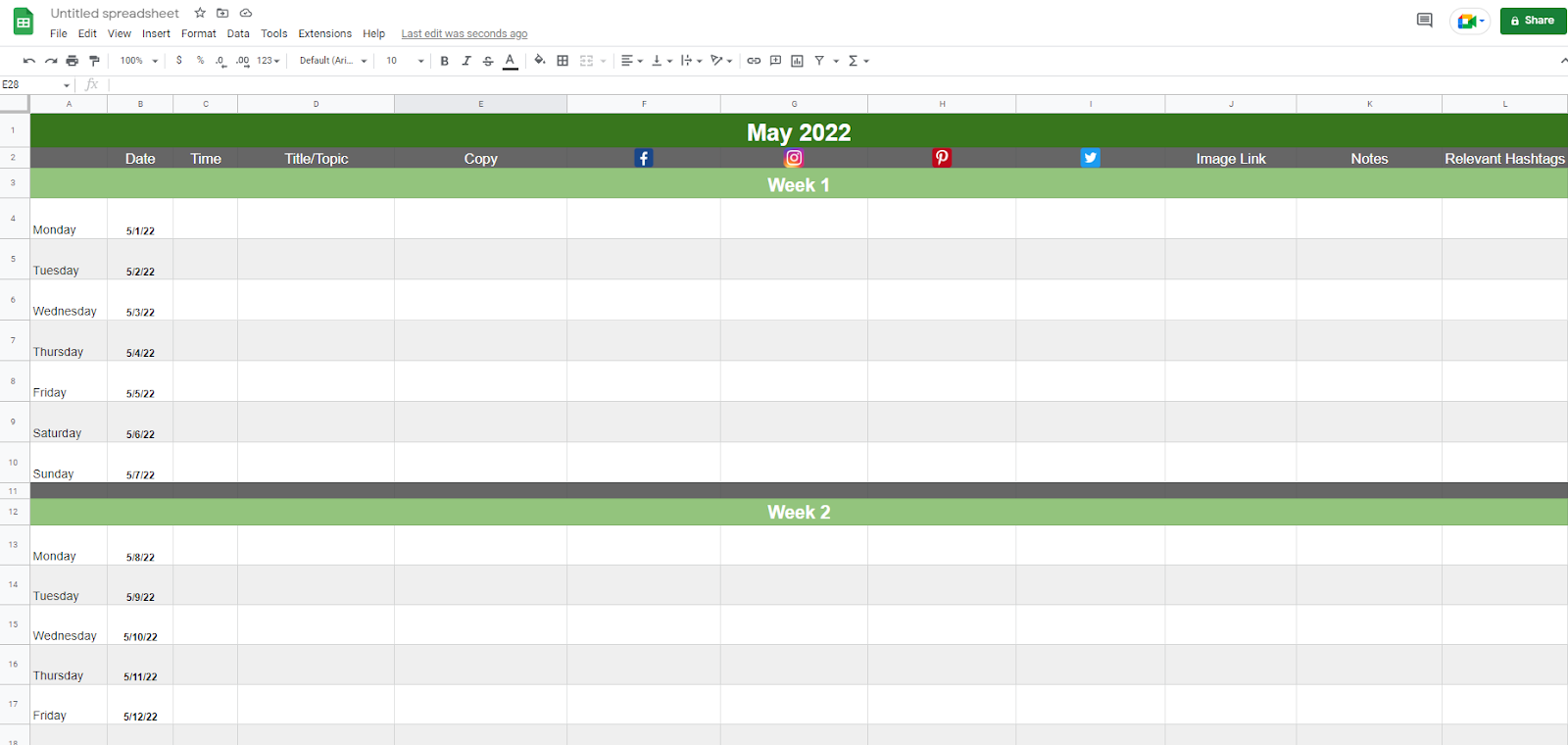
Notice how, in this example, there are sections that include Facebook, Pinterest, and Instagram, as well as spaces for notes, holidays, and copy. This allows you to sort out weeks’ worth of posts ahead of time in a way where you can simply copy and paste them over when the time is right.
If you aren’t good at making up spreadsheets on your own, though, Content Cory’s social media calendar is perfect for you. Utilize the weekly and monthly sections to organize all your post ideas and notes in one beautiful overview to make content creation easier than it’s ever been.
We hope these practices and examples have inspired you to maintain new social media standards in 2022—and that you’ll come back for more updates in our next blog post!
The post Good Business Social Media Practices VS the Not-So-Good—Our 2022 Guide appeared first on ContentCory.
]]>